Imperial Carpet
Introduction
Imperial carpets, also known as palace carpets, represent one of the most exquisite forms of traditional Chinese craftsmanship. These carpets are renowned for their intricate designs, luxurious materials, and association with the imperial courts of Chinese dynasties. As a significant aspect of Chinese cultural heritage, imperial carpets are crafted with meticulous attention to detail, reflecting the artistry and sophistication of their creators. These carpets are not merely decorative items; they embody the cultural values, artistic expression, and technological innovation of their time. The mastery involved in their creation has been preserved and passed down through generations, making imperial carpets an enduring symbol of Chinese history and heritage.
The technique of making imperial carpets was included in the list of National-level intangible heritage of China in 2008.
History
Origins
The origins of imperial carpets can be traced back to the dynastic periods of ancient China, where they were crafted as exclusive items for the imperial family and the aristocracy. These carpets were not only a testament to the skill and creativity of the artisans but also a reflection of the wealth and status of their owners. The tradition of carpet weaving in China has a long history, and over time, the craft evolved to incorporate various influences and styles from different regions and cultures. The early carpets were characterized by their use of rich colors and bold patterns, which were often inspired by nature, mythology, and religious symbolism.
Development through Dynasties
Over the centuries, the art of carpet weaving underwent significant development through various Chinese dynasties. Each era contributed its unique elements and innovations to the craft, resulting in a diverse and rich tapestry of styles and techniques. During the Qing Dynasty (1644-1911), imperial carpets reached their pinnacle of artistic expression. The period was marked by a heightened emphasis on intricate designs and the use of luxurious materials, such as silk and gold threads. Artisans of the time were influenced by the imperial court's preference for elegance and grandeur, which was reflected in the elaborate patterns and motifs that adorned the carpets. The Qing Dynasty also saw the integration of symbolic elements into the designs, representing themes of loyalty, purity, and longevity.
Design and Craftsmanship
Materials Used
The creation of imperial carpets involved the use of a variety of materials, each chosen for its specific properties and contribution to the overall aesthetic and durability of the carpet. Silk was a popular choice due to its sheen and softness, lending a luxurious feel to the carpets. Cotton was often used for the warp and weft, providing strength and stability to the structure of the carpet. In some cases, gold and silver threads were woven into the designs, adding a touch of opulence and highlighting the importance of the carpet as a symbol of imperial prestige. Dyestuffs derived from natural sources such as plants and minerals were used to produce rich, vibrant colors that were resistant to fading.
Weaving Techniques
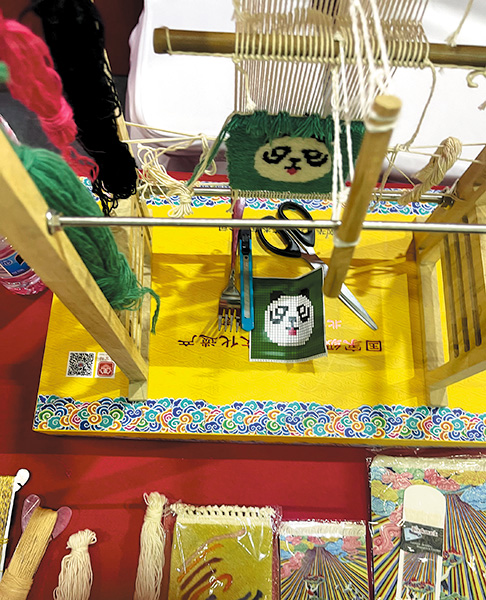
The weaving techniques employed in the creation of imperial carpets were highly sophisticated and required a high level of skill and precision. The process was labor-intensive, often taking several months or even years to complete a single carpet. One of the distinctive features of these carpets was the use of special knots, which ensured their durability and longevity. The artisans employed a variety of weaving methods to create complex patterns and designs, with each knot and thread carefully placed to achieve a seamless and harmonious composition. The attention to detail in the execution of these techniques is a testament to the dedication and expertise of the craftsmen.
Cultural Significance
Imperial carpets are not only practical furnishings but also rich repositories of Chinese art and culture. They symbolize the blending of royal elegance with folk artistry and reflect China's historical exchanges with other cultures. Today, these carpets are celebrated for their historical, artistic, and cultural value, both within China and internationally.
Symbolism in Patterns
The patterns and motifs found in imperial carpets are rich with symbolism, reflecting the cultural beliefs and values of the time. Common themes include representations of nature, such as flowers, animals, and landscapes, which symbolize harmony and balance. Mythological and religious symbols are also prevalent, conveying messages of protection, prosperity, and spiritual enlightenment. The use of auspicious patterns, often associated with specific dynasties, indicates the desire for blessings and success. These symbolic elements not only enhance the aesthetic appeal of the carpets but also serve as a medium for cultural expression and storytelling.
Role in Imperial Ceremonies
Imperial carpets played a vital role in the ceremonial life of the Chinese imperial court. They were often used in grand occasions and formal settings, serving as a backdrop for important events and rituals. The presence of an imperial carpet signified the importance of the occasion and the status of the individuals involved. Historical records suggest that these carpets were reserved for use during the reception of distinguished guests, after which they were carefully stored away. This practice underscores the value placed on these carpets as treasured possessions and symbols of imperial power and prestige.








